
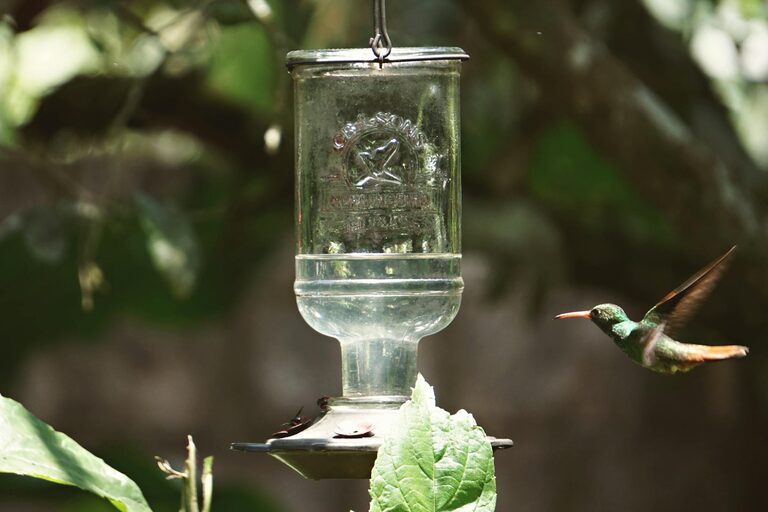
Birdwatching is a rewarding hobby that allows you to connect with nature, relax, and learn more about the wildlife around you. You don’t need to travel far or invest in expensive gear to enjoy watching birds—your backyard can be the perfect spot to begin. If you’re new to birdwatching, this guide offers simple and practical tips to get you started.
Why Backyard Birdwatching?
Birdwatching at home offers several benefits:
– It’s convenient and requires minimal time.
– It helps reduce stress and encourages mindfulness.
– You learn about local species and contribute to citizen science.
– It’s suitable for all ages and skill levels.
Starting in your backyard provides a safe and comfortable environment to build your birdwatching skills.
Essential Equipment for Beginners
You don’t need much to start birdwatching. Here’s what will help:
1. A Good Pair of Binoculars
Binoculars allow you to see birds up close without disturbing them. For beginners, compact binoculars with a 7x to 8x magnification are ideal—they’re easy to handle and provide clear views.
2. Bird Identification Guide
A field guidebook or a mobile app with pictures and descriptions helps you identify the species you observe. Many apps also feature bird songs and calls.
3. Notebook or Birdwatching Journal
Recording what you see can enhance your learning. Make notes about the birds’ appearance, behavior, time of day, and weather.
4. Comfortable Outdoor Seating
Choose a quiet, shaded spot with a good view of your yard where you can sit comfortably and watch without startling the birds.
Preparing Your Backyard for Birdwatching
Creating a bird-friendly environment can attract a variety of birds to your yard and make observation easier.
Provide Food Sources
– Feeders: Use different types of feeders (seed, suet, nectar) to attract various species.
– Food: Black oil sunflower seeds are popular among many birds. For hummingbirds, offer sugar water nectar.
Water Supply
A shallow birdbath or a small fountain provides essential drinking and bathing water. Keep it clean and fresh.
Plant Native Vegetation
Native plants supply natural food (berries, seeds) and shelter. Trees and shrubs also offer nesting sites.
Shelter and Nesting
Leave natural piles of leaves or brush to provide hiding places. You can also install birdhouses suitable for local species.
Best Practices for Observing Birds
Successful birdwatching involves patience, quiet, and respect for wildlife.
Stay Still and Quiet
Birds are easily scared by sudden movements and noises. Find a comfortable spot to sit quietly and watch patiently.
Observe During Peak Times
Bird activity tends to be highest in early morning and late afternoon. These are the best times to spot more species and interesting behavior.
Use Your Senses
Look for movement but also listen carefully. Bird songs and calls are good clues to their presence, especially in dense foliage.
Learn About Bird Behavior
Understanding typical behaviors like feeding, singing, and nesting helps you anticipate birds’ actions and enhances your experience.
Avoid Disturbing Nesting Birds
If you find nests, observe from a distance without disturbing the area. Protecting breeding birds supports healthy bird populations.
Keeping Track and Enhancing Your Experience
Tracking your sightings and gradually expanding your knowledge makes birdwatching more enjoyable.
Start a Bird List
Keep a list of the species you identify. Over time, you’ll notice seasonal changes and increase your observation skills.
Join Local Birding Groups or Online Communities
Connecting with other birdwatchers can provide support, tips, and opportunities for group outings.
Participate in Citizen Science Projects
Platforms like eBird allow you to submit observations and contribute to research on bird populations.
Invest in Additional Gear as You Progress
If you find yourself enjoying the hobby, you can consider better binoculars, spotting scopes, or specialized field guides.
Common Beginner Questions
How do I attract more birds to my yard?
Provide consistent food, water, and shelter. Plant native species and avoid pesticides.
What if I can’t identify a bird?
Take notes and photos if possible, then use guides or apps to compare. Join birdwatching forums for help.
Is birdwatching safe in urban/backyard environments?
Yes, many birds adapt well to urban areas. Take simple precautions such as avoiding harmful chemicals and supervising pets.
Conclusion
Starting backyard birdwatching is easy, enjoyable, and a wonderful way to connect with nature daily. With just a few simple tools and some patience, you can discover the fascinating world of birds right outside your window. Grab your binoculars, set up a feeder, and begin your birdwatching adventure today!
Happy birdwatching!